Posts by Hannah Cole

The enduring fascination with historic scriptures

There is something undeniably moving about holding a book that has survived through centuries of history. When you begin looking at old bibles for sale, you are not simply browsing for a piece of literature; you are looking at a physical vessel of heritage, faith, and craftsmanship. These volumes often represent the pinnacle of the bookbinder’s art, featuring intricate leatherwork, hand-tooled gold leaf, and typography that has long since vanished from modern printing presses. For many, the appeal lies in the tangible connection to the past, wondering whose hands turned these pages during the Victorian era or perhaps even earlier.

In the modern digital age, where text is often ephemeral and easily discarded, the permanence of an antiquarian Bible offers a grounding sense of continuity. Collectors and enthusiasts are often drawn to these items because they tell a story that goes far beyond the words printed on the page. They might contain handwritten family genealogies, pressed flowers from a century ago, or inscriptions marking significant life events like births, marriages, and deaths. This personal history makes every copy unique, transforming a mass-produced religious text into a singular historical artefact.

Why people are still drawn to collecting old Bibles

The reasons for seeking out rare and aged scriptures are as varied as the collectors themselves. While some are driven by a deep religious devotion, others are motivated by an appreciation for the history of the English language or the evolution of the printing industry. The development of the Bible in English is, in many ways, the story of the development of the modern world. From the early translations that challenged the status quo to the authorised versions that shaped our linguistic landscape, these books are milestones of human culture.

Beyond the historical and spiritual significance, there is a distinct aesthetic pleasure in owning an old Bible. The materials used in their construction were designed to last for generations. High-quality calfskin, vellum, and heavy rag paper have a tactile quality that modern materials simply cannot replicate. When you see old bibles for sale that have been well-preserved, you can appreciate the immense labour and skill that went into their creation. This craftsmanship is a major draw for those who want to curate a library that reflects a high standard of beauty and durability.

Key factors that determine the value of an antique Bible

When you are exploring the market for these historical treasures, it is important to understand what makes one volume more desirable than another. Value is rarely just about age; it is a combination of several critical factors that collectors scrutinise before making a purchase.

  • Historical Significance: Editions that represent a first printing of a particular translation or those associated with significant historical figures or movements tend to command higher prices.
  • Condition of the Binding: While some wear is expected, a Bible with its original binding intact is far more valuable than one that has been poorly repaired or rebound in modern materials.
  • Completeness: Antique Bibles are often missing their title pages, maps, or illustrations. A complete copy with all its original components is a rare find.
  • Provenance: If a book has a documented history of ownership by a notable person or institution, its value increases significantly.
  • Illustrations and Artistry: Bibles featuring woodcuts, steel engravings, or hand-painted illuminations are highly sought after for their artistic merit.

Identifying notable versions and editions

As you delve deeper into the world of old bibles for sale, you will encounter specific names and editions that appear frequently in catalogues. Understanding the distinction between these can help you narrow down your search and find a piece that truly resonates with your interests. For instance, the Geneva Bible, first published in the 16th century, was the primary Bible of 16th-century English Protestantism and was the version used by William Shakespeare and the Pilgrims.

Then there is the King James Version, perhaps the most famous translation in history. Early editions from the 17th century are masterpieces of typography and linguistic influence. Later, during the 19th century, the Victorian family Bible became a staple of the British household. These were often massive, ornate volumes meant to be displayed prominently in the home. They frequently included beautiful colour plates and dedicated sections for recording family history, making them popular choices for those interested in genealogy and social history.

How to assess the condition of an old Bible

Before committing to a purchase, it is vital to assess the physical state of the book. Age naturally brings some degradation, but knowing what is acceptable and what is a deal-breaker is key to building a quality collection. You should look closely at the spine, as this is usually the first part of the book to fail. If the boards are detached or the leather is crumbling (a condition known as red rot), the book may require expensive professional restoration.

  • Check for Foxing: These are the brown spots often found on old paper caused by oxidation or fungal growth. While common, excessive foxing can detract from the legativity and beauty of the pages.
  • Inspect the Hinges: Open the book gently to see if the inner hinges are cracking. Strong hinges are essential for the structural integrity of the volume.
  • Look for Marginalia: While some collectors dislike writing in books, others find that historical notes and signatures add character and provenance to the piece.
  • Smell the Paper: A musty smell can indicate a history of damp storage, which might lead to mould issues later on.
  • Verify the Date: Check the title page or the end of the preface for printing dates, though be aware that some later reprints can be deceptive.

The importance of buying from reputable dealers

Finding old bibles for sale can happen in many places, from local car boot sales to high-end auction houses. However, for those looking for authenticated, high-quality items, specialising in established book dealers is often the safest route. A reputable dealer will have the expertise to accurately date a volume, identify its specific edition, and provide an honest assessment of its condition. They also take the time to properly clean and stabilise the books, ensuring they are ready to be displayed in a new home.

Buying from a specialist also gives you access to their knowledge. They can guide you toward editions that fit your specific interests, whether you are looking for a small pocket Bible carried by a soldier or a grand lectern Bible used in a cathedral. This relationship can be invaluable as you grow your collection, helping you to avoid common pitfalls and ensuring that you are investing in items that will hold their value and historical importance over time.

How to care for your antique Bible at home

Once you have acquired a piece of history, the responsibility shifts to preservation. Old books are sensitive to their environment, and improper storage can lead to rapid deterioration. The goal is to maintain the book in its current state for as long as possible, preventing further damage from light, heat, and humidity. It is best to keep your collection in a room with a stable temperature, away from direct sunlight which can fade leather and make paper brittle.

When handling your Bible, ensure your hands are clean and dry. While some people suggest wearing white cotton gloves, many librarians now recommend simply washing your hands, as gloves can reduce your dexterity and make it more likely that you will accidentally tear a fragile page. If the book is particularly large or heavy, support the covers when opening it to prevent strain on the spine. Using a book cradle or a soft cushion can help distribute the weight evenly and protect the binding from cracking. By taking these simple steps, you ensure that the history contained within those pages survives for another generation to admire.

왜 많은 사람들이 국내 사이트 대신 1xbet을 선택할까요

최근 들어 스포츠 베팅을 즐기는 분들 사이에서 가장 많이 언급되는 이름 중 하나가 바로 1xbet입니다. 예전에는 접근성이 좋다는 이유로 국내 사설 사이트를 이용하는 분들이 많았지만, 시간이 갈수록 보안 문제나 이른바 ‘먹튀’라고 불리는 환전 사고에 대한 불안감이 커지면서 자연스럽게 해외 정식 라이선스를 보유한 글로벌 플랫폼으로 눈을 돌리는 추세입니다. 저 역시 처음에는 해외 사이트가 복잡하지 않을까 걱정했지만, 실제로 이용해보니 왜 전 세계 수백만 명의 사용자가 이곳에 정착했는지 금방 이해할 수 있었습니다.

가장 먼저 체감되는 차이점은 역시 신뢰도입니다. 1xbet 서비스는 퀴라소 라이선스를 보유하고 전 세계 여러 명문 축구 클럽과 파트너십을 맺고 있는 공신력 있는 플랫폼입니다. 이는 단순히 규모가 크다는 것을 넘어, 사용자가 적중시킨 금액을 아무런 문제 없이 안전하게 출금할 수 있다는 가장 기본적인 믿음을 제공합니다. 또한 한국어 지원이 완벽하게 이루어지고 있어 이용하는 데 전혀 불편함이 없다는 점도 큰 매력으로 다가옵니다.

전 세계가 주목하는 압도적인 배당률과 경기 수

스포츠 베팅에서 가장 중요한 요소는 무엇일까요? 열에 아홉은 배당률이라고 답할 것입니다. 같은 금액을 걸었을 때 돌아오는 수익이 다르다면 당연히 더 높은 곳을 선택하는 것이 합리적입니다. 1xbet은 전 세계 베팅 사이트 중에서도 최상위권의 배당률을 제공하는 것으로 유명합니다. 특히 축구, 농구, 테니스와 같은 인기 종목뿐만 아니라 이스포츠, 다트, 심지어는 정치나 연예계 소식까지 베팅 옵션으로 제공하여 선택의 폭이 매우 넓습니다.

  • 유럽 5대 리그를 포함한 전 세계 축구 리그의 방대한 마켓 제공
  • 실시간으로 변동되는 높은 라이브 베팅 배당률
  • 핸디캡, 언더오버 외에도 수백 가지의 세부 베팅 옵션
  • 가상 스포츠 및 최신 이스포츠 경기 실시간 중계

단순히 승패를 맞히는 것을 넘어 코너킥 횟수, 경고 카드 개수, 특정 선수의 득점 여부 등 아주 세세한 부분까지 베팅이 가능하다는 점은 전략적인 베팅을 즐기는 분들에게는 천국과도 같은 환경입니다. 경기를 보는 재미를 배가시킬 수 있는 요소가 곳곳에 배치되어 있습니다.

1xbet 가입부터 첫 입금까지의 실제 과정

해외 사이트라고 해서 가입 절차가 복잡할 것이라는 편견은 버려도 좋습니다. 실제로 제가 경험한 가입 과정은 국내 쇼핑몰 회원가입보다 더 간단했습니다. 원클릭 가입, 전화번호 가입, 이메일 가입 등 다양한 방식을 지원하며, 특히 한국 사용자들을 위해 최적화된 인터페이스를 제공합니다. 가입 후에는 본인 인증 과정을 거치게 되는데, 이는 사용자의 자산을 보호하고 부정 사용을 방지하기 위한 필수적인 절차이므로 오히려 신뢰가 가는 부분입니다.

입출금 시스템 역시 한국 친화적입니다. 과거에는 해외 결제 카드가 있어야 하거나 복잡한 전자지갑을 사용해야 했지만, 현재는 다양한 결제 수단을 지원합니다.

  • 국내 은행 계좌를 통한 직접 계좌 이체 지원
  • 비트코인, 이더리움 등 다양한 암호화폐 입출금 가능
  • 넷텔러, 스크릴 등 글로벌 전자지갑 서비스 연동
  • 신속한 승인 절차를 통한 빠른 환전 시스템

특히 입금만큼이나 중요한 것이 출금인데, 1xbet은 출금 신청 시 처리 속도가 매우 빠르다는 평가를 받고 있습니다. 큰 금액을 환전할 때도 불필요한 지연 없이 시스템적으로 처리되기 때문에 사용자는 오로지 경기를 분석하고 즐기는 데만 집중할 수 있습니다.

라이브 스트리밍과 실시간 베팅의 매력

1xbet을 이용하면서 가장 만족스러웠던 기능 중 하나는 무료 라이브 스트리밍 서비스입니다. 별도의 유료 스포츠 채널에 가입하지 않아도 베팅 계정에 잔액이 있거나 베팅 내역이 있다면 전 세계 수많은 경기를 실시간 HD 화질로 시청할 수 있습니다. 이는 실시간으로 경기의 흐름을 파악하며 베팅하는 ‘라이브 베팅’ 유저들에게는 엄청난 장점입니다.

경기를 직접 보면서 흐름이 바뀔 때 즉각적으로 베팅을 수정하거나 추가할 수 있어 승률을 높이는 데 큰 도움이 됩니다. 또한 모바일 앱의 최적화가 잘 되어 있어 지하철이나 카페 등 장소에 구애받지 않고 언제 어디서나 실시간으로 대응할 수 있다는 점도 빼놓을 수 없는 강점입니다.

모바일 앱과 사용자 편의성

요즘은 PC보다 스마트폰으로 베팅을 즐기는 분들이 훨씬 많습니다. 1xbet의 모바일 전용 앱은 안드로이드와 iOS를 모두 지원하며, 웹 버전의 모든 기능을 담고 있으면서도 속도는 훨씬 빠릅니다. 터치 몇 번으로 원하는 경기를 찾고, 배당률 변화를 실시간으로 확인하며, 즉시 베팅을 완료할 수 있는 직관적인 UI를 갖추고 있습니다.

앱 내에서는 알림 설정을 통해 내가 베팅한 경기의 시작이나 득점 상황, 결과 등을 실시간으로 받아볼 수 있습니다. 굳이 사이트에 계속 접속해 있지 않아도 중요한 정보를 놓치지 않게 해주는 배려가 돋보입니다. 또한 보안 기능이 강화되어 지문 인식이나 안면 인식으로 안전하게 로그인할 수 있다는 점도 안심이 되는 요소입니다.

다양한 프로모션과 보너스 혜택 활용하기

신규 가입자뿐만 아니라 기존 이용자들을 위한 혜택도 상당히 풍성합니다. 첫 입금 시 제공되는 웰컴 보너스는 초기 자본을 늘려 더 다양한 전략을 시도해볼 수 있게 해줍니다. 하지만 보너스에는 항상 롤링 조건이 따르기 때문에, 이용 약관을 꼼꼼히 읽어보고 본인의 베팅 스타일에 맞게 활용하는 지혜가 필요합니다.

  • 신규 회원을 위한 첫 입금 100% 보너스
  • 매주 특정 요일에 제공되는 재입금 보너스
  • 연패 시 위로금을 지급하는 캐시백 시스템
  • 생일 축하 프로모션 및 VIP 로열티 프로그램

이러한 프로모션들은 단순히 금액을 채워주는 것을 넘어, 베팅 과정에서 발생할 수 있는 리스크를 줄여주는 완충 작용을 하기도 합니다. 꾸준히 활동하는 유저일수록 더 많은 포인트와 혜택을 받을 수 있는 구조라 오래 이용할수록 유리한 측면이 있습니다.

결국 좋은 베팅 사이트란 사용자가 불안해하지 않고, 공정한 확률 속에서 자신의 분석력을 시험해볼 수 있는 환경을 제공하는 곳입니다. 1xbet은 글로벌 표준에 맞는 시스템과 한국 사용자를 배려한 서비스 노하우를 결합하여 최적의 환경을 구축해 놓았습니다. 수많은 선택지 중에서 고민하고 있다면, 이미 검증된 플랫폼에서 시작해보는 것이 시행착오를 줄이는 가장 빠른 길입니다.

Understanding the reality of the Scottish property market

Selling a home in Scotland often feels like a marathon you didn’t necessarily train for. While the Scottish legal system is generally praised for being more robust and certain than the one found in England and Wales, it still comes with its own set of unique hurdles that can drag a sale out for months. From the mandatory Home Report to the intricate dance of concluding missives, the process is designed for thoroughness, not necessarily for speed.

But what happens when your circumstances change and you don’t have half a year to wait for a buyer to secure their mortgage? Whether you are facing a job relocation, dealing with a relationship breakdown, or simply want to avoid the stress of endless viewings, the need to sell house fast Scotland becomes a priority. In these situations, the traditional route of listing with an estate agent and waiting for the right buyer to browse a portal can feel incredibly frustrating.

Why the traditional route isn’t always the best fit

Listing your property on the open market is the standard path, but it is far from guaranteed. When you go through an estate agent, you are at the mercy of market conditions, buyer whims, and the complexities of property chains. Even in a ‘hot’ market, the time it takes from the first viewing to the final move-out date can be staggering.

  • Broken chains: This is perhaps the most common reason for sales falling through. If one person in a chain of five houses loses their buyer, every other sale in that line can collapse instantly.
  • Survey issues: The Scottish Home Report is a legal requirement, but if it flags up issues like damp, roof problems, or structural concerns, traditional buyers may find it impossible to get a mortgage.
  • Extended timeframes: Even a ‘fast’ traditional sale in Scotland often takes between three to five months once you factor in marketing, viewings, legal work, and the concluding of missives.

The hurdle of the Scottish Home Report

In Scotland, unlike in England, the seller is responsible for providing a Home Report before the property even hits the market. This document includes a single survey, an energy report, and a property questionnaire. While this provides transparency for the buyer, it can be a significant sticking point for sellers who need to move quickly. If the valuation comes back lower than you anticipated, or if the surveyor identifies ‘Category 3’ repairs that need urgent attention, your pool of potential buyers shrinks significantly.

Many traditional buyers are reliant on high-loan-to-value mortgages. If a bank sees a Home Report with several issues, they may refuse to lend until the work is carried out. This puts the seller in a difficult position: spend thousands on repairs they can’t afford, or lower the price and hope for a cash buyer. This is precisely when many homeowners look for a way to sell house fast Scotland to bypass these complications entirely.

Common reasons for needing a quick turnaround

Life moves at a pace that property markets rarely match. There are numerous reasons why a homeowner might need to exit their property investment or family home without waiting for the traditional cycle to complete. Some of the most common situations include:

  • Job relocation: If you have secured a new role in a different city or country, you cannot afford to have your capital tied up in a house that won’t sell.
  • Inherited property: Dealing with a probate property can be emotionally and financially draining. Often, beneficiaries prefer a quick sale to settle the estate and move on.
  • Financial pressure: To avoid the threat of repossession, a guaranteed quick sale can provide the funds needed to clear debts and start fresh.
  • Divorce or separation: When a relationship ends, both parties usually want to realise their share of the property’s value as quickly as possible to facilitate a clean break.

How a cash buyer changes the dynamic

When you choose to work with a professional property buyer rather than a traditional estate agent, the entire dynamic of the sale changes. A cash buyer does not need to wait for a bank to approve a mortgage. They have the funds readily available, which removes the single biggest cause of delays and fall-throughs in the Scottish property market. This route is specifically designed for those who value certainty and speed over achieving the absolute maximum ceiling price that might take months to realise.

By choosing to sell house fast Scotland through a specialist service, you are essentially trading a small percentage of the market value for the convenience of a guaranteed completion date. There are no ‘For Sale’ boards, no multiple viewings every weekend, and no risk of a buyer pulling out at the last minute because they changed their mind about the kitchen colour.

What to look for in a professional buyer

Not all quick-sale companies are created equal. If you are considering this route, it is vital to do your due diligence to ensure you are working with a reputable firm. A genuine buyer should be transparent about their process and offer a fair reflection of the property’s value considering the speed of the transaction.

  • Transparency: They should be clear about how they reached their offer price.
  • No hidden fees: Many reputable fast-sale companies will cover your legal costs as part of the deal.
  • Proof of funds: A legitimate buyer will be happy to prove they have the cash ready to complete the purchase.
  • No pressure: You should never feel forced into a decision. A good company will give you time to consider the offer and consult with your own solicitor.

Preparing your property for a rapid sale

Even if you are opting for a fast cash sale, there are steps you can take to make the process even smoother. Because these sales move quickly, having your paperwork organised is the best thing you can do to help your solicitor. In Scotland, the legal transfer of property (conveyancing) still requires specific documentation regardless of how fast the buyer wants to move.

Gather your title deeds if you have them, any guarantees for work carried out on the property (such as damp proofing or new windows), and your most recent council tax bill. While a professional cash buyer will often buy a house ‘as-is’—meaning you don’t need to spend weeks painting or gardening—it helps to be honest about the property’s condition from the start. This ensures the initial offer is accurate and prevents any delays further down the line.

The legal steps involved in a fast sale

In Scotland, the process of ‘concluding missives’ is the point at which the contract becomes legally binding. In a traditional sale, this can take weeks or even months as solicitors go back and forth with various conditions regarding the survey or the buyer’s mortgage. In a fast sale scenario, these conditions are kept to an absolute minimum. Because the buyer is using their own cash and has already seen the Home Report, the missives can often be concluded in a matter of days.

Your solicitor will still perform the necessary checks to ensure the title is clear and that there are no legal impediments to the sale. However, because you are dealing with a professional entity rather than an individual, the communication is typically much more direct. This lack of a ‘chain’ below the buyer means that once the price is agreed and the legal checks are done, the date of entry can be set to suit your schedule, sometimes in as little as seven to fourteen days.

Benefits of avoiding the open market

There is a certain peace of mind that comes with avoiding the open market. For many, the privacy of a direct sale is just as important as the speed. You don’t have to worry about neighbours or colleagues seeing your home listed online, and you don’t have to keep the house in ‘showroom’ condition for weeks on end.

  • Privacy: No public listings or boards outside your home.
  • Convenience: You choose the closing date that works for your move.
  • Cost-saving: You avoid paying estate agent commissions, which can often be thousands of pounds.
  • Zero stress: No worrying about whether the buyer’s mortgage will be declined at the eleventh hour.

Navigating the final stages of the process

Once you have accepted an offer and the legal process is underway, the final stages move very quickly. Your solicitor will handle the discharge of any existing mortgage on the property using the funds from the sale. Because there are no complicated chains to coordinate, the transfer of funds usually happens on the exact day promised. This allows you to plan your next move with total confidence, knowing exactly when the money will be in your bank account and when you need to hand over the keys. It turns what is usually the most stressful experience in a person’s life into a managed, professional transaction that respects your need for a quick exit.

Boiler Installation Glasgow: Top Choices for Your Home

Are you confident you’ve selected the best option for boiler installation in Glasgow? With numerous companies claiming to offer top-tier services, making the right choice can be daunting. This guide aims to simplify your decision process by highlighting the most reliable boiler installation companies in Glasgow, discussing their unique offerings and reputations. From understanding installation costs to evaluating customer reviews and available financing options, you’ll gain the insights needed to make an informed decision for your home. Keep reading to explore how you can ensure a smooth and efficient boiler installation experience.

Top Boiler Installation Companies in Glasgow

J McCartney (Plumbing & Heating) Ltd stands out in the Glasgow boiler installation market. With over 40 years of experience, they are Worcester Accredited Installers, offering comprehensive services that include free, no-obligation quotes and 0% financing options. The company is Gas Safe registered, ensuring compliance with safety standards, and they offer competitive rates for their services.

Other notable boiler installation companies in Glasgow include:

The Glasgow Boiler Company

  • Known for their customer-focused service, they offer a range of boiler brands and models to suit different budgets.

Boiler Central

  • Specialises in offering online quotes and quick installation services, making them a convenient choice.

Scottish Gas

  • Provides extensive national coverage with a reputation for quality and reliability.

Here are some key services offered by these companies:

  • Free, no-obligation quotes
  • 0% financing options
  • Gas Safe registered engineers
  • Comprehensive warranty and service packages

A comparison of these companies can be seen in the table below:

Company NameYears in BusinessSpecial Features
J McCartney (Plumbing & Heating) Ltd40+Worcester Accredited, 0% financing
The Glasgow Boiler Company10+Customer-focused, variety of models
Boiler Central5+Online quotes, quick installation
Scottish Gas30+National coverage, reliable service

These companies exemplify the qualities of reliable boiler installation services, offering expertise and support to meet varying customer needs.

Understanding Boiler Installation Costs in Glasgow

The cost of boiler installation Glasgow typically starts from £1,695 + VAT, though the final price can increase depending on several factors. Boiler type, installation complexity, and any additional components required all play a role in determining overall costs. Understanding these variables is essential when planning a new boiler installation and setting a realistic budget.

Factors influencing boiler installation costs include:

  • Boiler Type: Combi, system, and conventional boilers each have different price points.
  • Boiler Size: Larger boilers suitable for bigger homes tend to cost more.
  • Labour Costs: The complexity of the installation impacts labour time and cost.
  • Additional Components: Extras like flues, filters, and smart controls can add to expenses.
  • Installation Complexity: Properties requiring extensive work, such as pipe rerouting, will see higher costs.

Finding a budget-friendly boiler installation requires careful consideration of these factors. Homeowners should obtain multiple quotes to compare prices and services. Some companies offer financing options, which can ease the initial financial burden. Opting for a basic model without unnecessary add-ons can also help keep costs down.

Boiler TypePrice RangeAdditional Costs
Combi£1,695 – £3,000Flue kits, smart thermostats
System£1,800 – £3,500Cylinders, pumps
Conventional£2,000 – £4,000Tanks, expansion vessels
Electric£1,500 – £2,500Electrical work, thermostats
Biomass£4,000 – £10,000Storage, delivery systems

Understanding these cost components can aid in making an informed decision when choosing a boiler installation service in Glasgow.

Choosing the Right Boiler for Your Home

Selecting the ideal boiler for your home involves evaluating various factors to ensure efficient heating and cost-effectiveness. Combi boiler installation is a popular choice due to its ability to provide instant hot water and efficient heating, making it suitable for homes with limited space. New boiler installations can also lead to significant improvements in energy efficiency and reductions in heating bills.

Considerations when selecting a boiler:

  • Home Size: Larger homes may require system or conventional boilers to meet higher heating demands.
  • Energy Efficiency: Opting for high-efficiency models can reduce energy consumption and lower bills.
  • Budget: Consider both upfront costs and long-term savings from improved efficiency.
  • Space Availability: Combi boilers are compact and ideal for homes with limited space.

Benefits of Combi BoilersCombi boilers are highly efficient as they heat water directly from the mains, eliminating the need for a separate hot water cylinder or cold water storage tank. This not only saves space but also ensures a constant supply of hot water at mains pressure, which is particularly beneficial for homes with limited space. Their simplified system often results in faster installation and lower installation costs.

Customer Reviews and Testimonials for Boiler Installations in Glasgow

Customer reviews of boiler installations in Glasgow often highlight the satisfaction derived from prompt service and the cleanliness maintained during installation. Many clients have experienced improved living conditions after installing new boilers, with efficient heating and consistent hot water supply being frequently noted benefits.

What do customers say about communication and project completion?

One customer emphasised the excellent communication they received throughout their boiler installation process. They appreciated regular updates and punctuality, which contributed to the project’s timely completion. This level of interaction and adherence to timelines is a common praise point for leading companies in the area.

Common themes in customer feedback include:

  • Prompt Service: Many customers commend the speed and efficiency with which installations are completed.
  • Cleanliness: Installers are often praised for maintaining a tidy work environment, even during extensive projects.
  • Improved Living Conditions: New installations frequently result in better home heating, enhancing overall comfort.
  • Effective Communication: Regular updates and clear dialogue with installers are valued by customers.

Top-rated boiler installation companies based on reviews:

  • J McCartney (Plumbing & Heating) Ltd
  • The Glasgow Boiler Company
  • Scottish Gas
  • Boiler Central

Customer feedback serves as a crucial tool when selecting a boiler installation provider. Reviews not only offer insights into the quality of service and customer experience but also help potential clients gauge the reliability and professionalism of installation companies. Prioritising providers with strong positive feedback can ensure a smoother and more satisfactory installation process.

Financing and Grants for Boiler Installation in Glasgow

Boiler installation in Glasgow can be made more affordable through various financing and grant options. J McCartney (Plumbing & Heating) Ltd, for example, provides 0% financing through Klarna, easing the financial burden for homeowners. Residents may also access grants to reduce upfront costs, making it feasible for more households to upgrade their heating systems.

What financing options are available for boiler installations?

Homeowners can benefit from interest-free financing, allowing them to spread the cost over time without incurring additional charges. This option is ideal for those needing immediate installation but preferring to manage payments incrementally. Such plans can make high-efficiency boilers more accessible, ultimately leading to energy savings.

Glasgow residents might be eligible for specific grants aimed at assisting with boiler replacement costs. These grants can significantly lower the initial expense, promoting the installation of energy-efficient systems that help reduce overall heating bills.

Applying for Boiler Grants

To apply for boiler grants, residents should:

  • Research Available Grants: Identify what grant programs are available locally, including those offered by the Glasgow City Council.
  • Check Eligibility: Ensure they meet the necessary criteria, often based on income levels or specific household requirements.
  • Prepare Documentation: Gather all required documents, which may include proof of income and residency.
  • Submit Application: Complete and submit the application form, ensuring all information is accurate and thorough.

These steps can facilitate access to financial assistance, making boiler installations more financially viable.

Tips for Selecting a Boiler Installation Service Provider in Glasgow

When selecting a boiler installation service provider in Glasgow, what are the key considerations? Precision dictates that checking for Gas Safe registration, considering company experience, and reviewing customer testimonials are essential. These criteria ensure safety, reliability, and customer satisfaction.

For a dependable choice, focus on the following aspects:

  • Qualifications: Ensure the provider is Gas Safe registered and has a proven track record in installations.
  • Experience: Consider the number of years the company has been in operation and its familiarity with various boiler systems.
  • Customer Service: Look for companies that offer personalised service, addressing specific needs and preferences.
  • Reputation: Review testimonials and feedback from previous clients to gauge service quality and reliability.

Checking CredentialsVerifying the credentials of a boiler installation professional is crucial. Gas Safe registration is a mandatory requirement for anyone installing gas boilers in the UK. This accreditation guarantees that the installer meets industry standards and legal requirements. Additionally, consider any additional qualifications or accreditations the company may hold, such as certifications from boiler manufacturers, which can indicate specialised expertise.

Questions to ask potential installers:

  • Are you Gas Safe registered?
  • How many years have you been installing boilers in Glasgow?
  • Can you provide references or testimonials from previous clients?
  • Do you offer a warranty or service package with the installation?
  • What measures do you take to ensure a clean and efficient installation process?

These questions will help in assessing the suitability of a boiler installation provider, ensuring a safe and efficient service tailored to your home’s requirements.

Final Words

Exploring the realm of boiler installation in Glasgow illustrates various considerations and opportunities for homeowners.

Highlighting top companies, such as J McCartney (Plumbing & Heating) Ltd, who offer extensive services, is crucial for informed decisions. Understanding costs and financing options ensures affordable choices, while selecting the right type of boiler optimises home efficiency.

Reading customer reviews reveals valuable insights into service quality.

Ultimately, leveraging this comprehensive information will aid in making confident choices, ensuring warmth and efficiency through expert boiler installation Glasgow services.

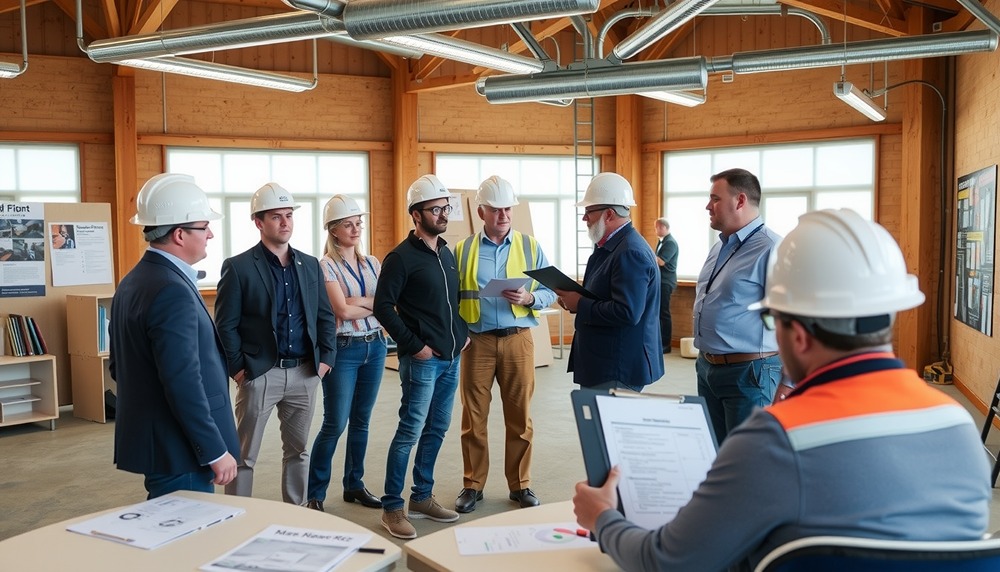
NVQ Level 7 in Construction Management: Elevate Your Career

Is ascending to the top echelons of the construction industry on your career agenda? The NVQ Level 7 in Construction Management could be your stepping stone to strategic leadership within high-value projects. This qualification, parallel in prestige to a Master’s degree, is tailored for professionals aspiring to command roles such as project manager and operations director. Offering a concentrated focus on business management and leadership, the NVQ Level 7 prepares you to not only manage but influence and direct the course of complex construction undertakings. Dive into discovering how this credential can elevate your professional journey.

Overview of NVQ Level 7 in Construction Management

The NVQ Level 7 in Construction Management is a qualification tailored for individuals aiming to excel in senior roles within the construction industry. It is recognised as being equivalent to a Master’s degree, providing an advanced level of education and skills development. This qualification focuses on enhancing the expertise required to manage high-value or complex projects, equipping professionals with the necessary competencies to lead and innovate in the field of construction management.

This qualification is particularly beneficial for roles such as project managers, contracts managers, and operations directors. These positions require a profound understanding of the construction process, coupled with the ability to oversee multiple facets of project execution. The NVQ Level 7 provides the comprehensive knowledge and leadership skills needed to effectively manage and direct large-scale projects, making it an ideal choice for those aiming to ascend to senior management levels in the construction sector.

Strategic leadership and business management are at the core of the NVQ Level 7 curriculum. The programme covers critical areas such as project governance, commercial control, and workforce planning. It seeks to develop the strategic acumen and decision-making abilities essential for senior professionals tasked with steering organisations towards success. This focus on strategic elements ensures that candidates are well-prepared to tackle the challenges of the modern construction environment, driving growth and innovation within their organisations.

NVQ Level 7 Course Structure and Modules

The NVQ Level 7 in Construction Management is meticulously structured to provide a comprehensive educational framework for senior management professionals. The course consists of 6 mandatory units that form the core of the programme, ensuring that every candidate gains essential knowledge and skills in fundamental areas. Additionally, there are 13 optional units from which candidates must complete 4 to 5, allowing them to tailor their learning to specific interests or career paths. To achieve the qualification, candidates need to accumulate a total of 62 credits, reflecting the depth and breadth of the learning experience.

Key topics covered in the NVQ Level 7 modules include:

  • Project governance
  • Commercial control
  • Ethical decision-making
  • Workforce planning

These topics are integral to developing the strategic competencies necessary for high-level roles in construction management. Project governance ensures that candidates can oversee projects with a clear, structured approach, while commercial control equips them with the skills to manage financial aspects efficiently. Ethical decision-making is crucial in today’s business environment, fostering integrity and responsibility. Workforce planning focuses on optimising human resources, ensuring that teams are effectively managed and aligned with organisational goals.

The qualification follows a practical, work-based approach, emphasising real-world application over theoretical study. This method involves compiling a portfolio of evidence that demonstrates the candidate’s competencies and experiences in their professional role. By engaging directly with their work environment, candidates can contextualise learning and apply new skills immediately, enhancing both their personal development and the operational success of their organisations. This practical focus ensures that graduates of the NVQ Level 7 are not only knowledgeable but also capable of implementing effective strategies in the dynamic field of construction management.

Eligibility Criteria and Application Process for NVQ Level 7

To enrol in the NVQ Level 7 in Construction Management, candidates must meet specific eligibility criteria. A key requirement is having at least two years of relevant experience in a construction management role. This experience ensures that candidates possess the foundational knowledge and practical skills necessary to benefit from the advanced content of the qualification. Additionally, an initial assessment of literacy and numeracy is conducted to verify that applicants can effectively engage with the course material and assessments.

The application process for NVQ Level 7 involves submitting essential documentation to establish a candidate’s suitability for the programme. Prospective candidates must complete a candidate statement, outlining their motivations and goals for pursuing the qualification. Additionally, a Declaration of Own Work form is required, affirming the authenticity and originality of any submitted work. These documents are vital for aligning the candidate’s experience and aspirations with the course objectives.

The steps in the application process are straightforward yet comprehensive. Candidates begin by preparing the necessary documentation and completing the initial assessments. Once these are submitted and reviewed, successful applicants are enrolled into the programme. Throughout this process, applicants may receive guidance and support to ensure that all requirements are met efficiently. This structured approach helps streamline the transition into the NVQ Level 7, allowing candidates to focus on their educational and career advancement goals.

NVQ Level 7 Assessment Methods

The NVQ Level 7 in Construction Management relies on a portfolio-based assessment process, distinguishing it from traditional exam-based evaluations. Candidates are required to compile a portfolio of evidence demonstrating their competency and practical experience in the field. This method is designed to reflect real-world proficiency, allowing candidates to showcase their skills and knowledge through tangible work examples. The portfolio approach ensures that the assessment is tailored to the individual’s professional practice, providing a comprehensive evaluation of their ability to manage complex construction projects.

  • Project reports
  • Professional evaluations
  • Documentation of previous work

The assessment process typically involves two sessions, which may include a site visit to further validate the candidate’s practical experience. These sessions are integral to the evaluation, offering opportunities for candidates to discuss their portfolio with assessors and receive feedback. The potential site visit allows assessors to observe the candidate’s skills in a real-world context, providing a deeper insight into their capabilities. This combination of portfolio evidence and interactive sessions ensures a thorough and holistic assessment of the candidate’s qualifications and readiness for senior roles in construction management.

Costs and Funding Options for NVQ Level 7

The NVQ Level 7 in Construction Management presents a clear cost structure designed to accommodate various financial situations. The total cost of the qualification encompasses registration fees and guidance for the fast-track MCIOB application, providing a comprehensive package for candidates. To facilitate affordability, payment plans are available, starting from £191.25 per month. This option allows candidates to spread the cost over time, easing the financial burden and making the qualification accessible to a wider range of professionals.

Funding OptionDetails
CITB GrantEligible companies can claim a £1,500 grant upon completion.
Monthly Payment PlansStarting from £191.25 per month, making the cost manageable.
Fast-track MCIOB ApplicationGuidance included in the qualification cost.

The financial benefits of completing the NVQ Level 7 extend beyond the qualification itself. By accessing the CITB grant, registered companies can significantly reduce the overall expense. Furthermore, the enhanced credentials obtained through the fast-track MCIOB application can lead to better job prospects and potentially higher salaries. These financial incentives not only offset the initial investment but also contribute to long-term career growth and stability in the construction industry.

Career Advancement and Opportunities Post NVQ Level 7

What roles and leadership opportunities become available after completing the NVQ Level 7 in Construction Management? The qualification opens pathways to senior leadership and director-level positions within the construction industry. It equips candidates with the strategic and managerial expertise needed to oversee complex projects and lead teams effectively. These roles often demand a comprehensive understanding of construction management, including project governance, commercial control, and workforce planning, all of which are covered in the NVQ Level 7 curriculum.

  • Senior leadership roles
  • Director-level positions
  • Eligibility for CSCS Black ‘Manager’ card
  • Enhanced strategic management skills
  • Improved job prospects

How does the qualification affect career prospects? Successful candidates gain eligibility to apply for the CSCS Black ‘Manager’ card, a credential that significantly enhances their professional standing and facilitates access to more advanced job opportunities. The NVQ Level 7 also provides enhanced strategic management skills, which are crucial for handling the evolving challenges in the construction industry. Consequently, individuals who complete this qualification often experience improved job prospects, with the potential for increased responsibilities and remuneration.

Testimonials from candidates highlight the substantial career progression and knowledge enhancement achieved through the NVQ Level 7. Many individuals report a marked improvement in their ability to manage high-stakes projects and lead teams with confidence. These success stories underscore the qualification’s impact, not only in terms of personal growth but also in professional advancement. The NVQ Level 7 is thus a powerful catalyst for career transformation, equipping construction professionals with the skills and credentials needed to ascend to the highest echelons of their field.

Final Words

Attaining NVQ Level 7 in Construction Management equips professionals with advanced strategic skills essential for senior roles in the construction industry.

The course design, with both mandatory and optional modules, ensures comprehensive coverage of necessary competencies, including project governance and ethical decision-making.

The practical, work-based approach of the qualification, combined with diverse assessment methods, further enriches the learning experience.

Overall costs are balanced by funding options, making the programme accessible.

Graduates can expect to seize enhanced career opportunities and benefit significantly from their investment in this Level 7 qualification.

Plastering Level 2 NVQ: Boost Your Career Today

Does your career in plastering feel stuck? The Plastering Level 2 NVQ might be your solution. This diploma is more than just a certificate; it is recognised as QUA935 and aligns with National Occupational Standards, offering formal recognition that could significantly enhance career prospects. For experienced plasterers seeking to refine their skills, solid plastering is at the core of this qualification. Consider how this might boost your professional standing and open doors to advanced roles, increased earning potential, and new opportunities in the construction industry.

Understanding the Plastering Level 2 NVQ

The Level 2 NVQ Diploma in Plastering (Construction), recognised as QUA935, is an esteemed qualification aimed at experienced plasterers who desire formal acknowledgment of their solid plastering skills. This diploma serves as a formal validation of a plasterer’s expertise, significantly enhancing career prospects in the construction industry. Aligned with the National Occupational Standards, it ensures that the skills acquired are up-to-date and relevant, meeting the industry’s current demands.

  • Focuses on solid plastering skills.
  • Provides formal recognition for experienced plasterers.
  • Enhances career opportunities in construction.
  • Aligned with National Occupational Standards.
  • Opens pathways for further professional development.

Achieving the plastering level 2 NVQ can greatly support career advancement. By formalising their skills, plasterers gain a competitive edge in the job market, becoming more attractive to employers who value certified proficiency. Moreover, this qualification lays the groundwork for further training and specialisation, allowing individuals to progress to higher levels of expertise and responsibility within the construction sector.

Course Structure and Entry Requirements

The NVQ Level 2 course in Plastering is meticulously structured to suit experienced plasterers who possess a substantial practical understanding of the trade. The course duration typically spans between 1 to 3 months, allowing candidates to complete the qualification at a manageable pace. For those who wish to expedite the process, a fast-track option is available, reducing the completion time to approximately 3-8 weeks. The assessment comprises two sessions, including potential site visits, enabling candidates to demonstrate their skills in a real-world setting.

Entry into the NVQ Level 2 Plastering course necessitates a certain level of experience and competence in the field. Prospective candidates should have a robust background in plastering, as the course is designed to assess and validate existing skills rather than teaching new ones. This requirement ensures that participants are well-prepared to meet the demands of the practical assessments and can effectively showcase their proficiency.

Course DurationAssessment MethodFast Track Option
1-3 monthsTwo sessions, may include site visits3-8 weeks

The flexibility of the NVQ Level 2 Plastering program is a significant advantage for working professionals. The course accommodates varying schedules, allowing candidates to balance their professional commitments with the demands of the qualification process. The fast-track option is particularly beneficial for those eager to quickly obtain certification, providing a pathway to faster career advancement without sacrificing the depth of assessment. This adaptability makes the program accessible and appealing to a wide range of experienced plasterers seeking to formalise their skills.

Assessment Methods and Practical Sessions

The NVQ Level 2 Plastering assessment is distinctly practical, enabling candidates to directly showcase their plastering skills. This hands-on approach is designed to evaluate the candidate’s real-world capabilities, ensuring that they can perform effectively in a professional setting. The assessment not only verifies technical competence but also aligns with industry standards, providing a comprehensive evaluation of a plasterer’s abilities.

  • Compile evidence of previous plastering work.
  • Participate in assessment sessions to showcase skills.
  • Demonstrate practical techniques in a controlled environment.
  • Meet the criteria for NVQ achievement.

Compiling evidence is a crucial component of the NVQ assessment process. Candidates are required to gather and present documentation of their past work, which serves as a testament to their proficiency and experience. During practical sessions, candidates perform plastering tasks under observation, allowing assessors to evaluate their techniques and adherence to best practices. These sessions are structured to cover all aspects of the trade, ensuring a thorough assessment of each candidate’s skill set.

Achieving the necessary criteria is vital for NVQ certification. The assessment process is designed to cover 100% of the required criteria, ensuring that candidates demonstrate comprehensive competence in plastering. Meeting these standards not only confirms a candidate’s qualifications but also assures employers of their ability to meet industry expectations. This rigorous approach guarantees that NVQ-certified plasterers are well-prepared for professional challenges and career advancement.

Benefits of the Plastering Level 2 NVQ Certification

Obtaining a Plastering Level 2 NVQ certification offers significant career advantages. This formal recognition enhances a plasterer’s employability by validating their skills and expertise. Certified individuals are often favoured by employers, who seek assurance in their employees’ capabilities. Moreover, acquiring this certification enables candidates to apply for a Construction Skills Certification Scheme (CSCS) card, contingent upon passing a valid Health & Safety test within the last two years. This card is crucial for accessing various job sites, thereby broadening employment opportunities.

  • Validates professional plastering skills
  • Enhances employability and career prospects
  • Eligibility for a CSCS card
  • Meets industry standards
  • Paves the way for future specialisation

The Plastering Level 2 NVQ certification also significantly impacts professional development and industry recognition. By meeting the stringent criteria set forth by the qualification, plasterers demonstrate their commitment to maintaining high standards in their craft. This not only boosts their reputation within the industry but also opens doors to further specialisation and advanced training opportunities. As a result, certified plasterers are well-positioned to pursue higher-level roles and responsibilities, fostering continuous professional growth.

Career Opportunities and Further Training

The completion of a Plastering Level 2 NVQ substantially broadens career opportunities within the plastering industry. Certified individuals are highly sought after, given the increasing demand for skilled plasterers in construction. This qualification not only validates a plasterer’s expertise but also opens doors to diverse roles across residential, commercial, and industrial sectors. Employers value this certification as it assures them of the holder’s competence and adherence to industry standards, thus enhancing job security and potential for advancement.

  • Residential Plasterer
  • Commercial Plasterer
  • Industrial Plasterer
  • Plastering Supervisor
  • Self-employed Contractor

Further training and professional development are viable pathways following the attainment of a Level 2 NVQ in Plastering. Certified plasterers can pursue advanced qualifications, such as the Level 3 NVQ, which focuses on supervisory and management skills within the construction industry. Engaging in specialised training courses can also expand a plasterer’s skill set, making them eligible for higher-level roles and responsibilities. This continuous development not only enhances career prospects but also contributes to personal growth and industry contribution.

Financial support is a significant advantage for those pursuing the Plastering Level 2 NVQ. CITB grants are available, providing substantial financial aid to eligible candidates. Additionally, flexible payment plans are offered, allowing individuals to manage costs effectively without financial strain. These financial options make it feasible for many to access the qualification, thus facilitating career progression and skill enhancement. With such support in place, obtaining this certification becomes a realistic goal for those committed to advancing their careers in plastering.

Final Words

Securing a Plastering Level 2 NVQ provides plasterers with formal recognition, comprehensive training, and a structured path to advance their careers. Focusing on solid plastering skills, the qualification aligns with National Occupational Standards, ensuring participants are well-prepared for professional demands.

Assessment methods involve practical skills showcasing, evidence compilation, and session assessments. A certified NVQ enhances job prospects, permits CSCS card applications, and supports further training opportunities with potential financial assistance.

Concluding a Plastering Level 2 NVQ successfully not only opens doors to improved employability but also encourages lifelong professional growth within the industry.

SSSTS Course: Enhance Your Construction Safety Skills

Is your construction site safe enough? If you are in a supervisory role, the SSSTS course isn’t just an option—it’s a necessity. The Site Supervisors Safety Training Scheme (SSSTS) is the gold standard for anyone aiming to ensure health, safety, and compliance on site. This blog will delve into what the SSSTS course entails, covering crucial aspects like health and safety laws, risk assessments, and effective site supervision. Accredited by the CITB, this training could be the key to elevating your career in construction. Read on to discover everything you need to know about SSSTS.

What is the SSSTS Course?

The Site Supervisors Safety Training Scheme (SSSTS) course is designed for construction site supervisors. Its primary purpose is to provide comprehensive training on essential safety and supervisory skills. This course aims to enhance the knowledge and capabilities of supervisors, ensuring they can effectively manage health and safety on construction sites.

The SSSTS course covers a range of critical topics. Participants will learn about health and safety laws, which are fundamental to maintaining compliance and ensuring the well-being of workers. Risk assessments are another key focus, teaching supervisors how to identify potential hazards and take proactive measures to mitigate them. Additionally, the course delves into effective site supervision techniques, equipping supervisors with the skills needed to manage teams and maintain a safe working environment.

Main topics covered in the SSSTS course:

  • Health and safety laws
  • Risk assessments
  • Effective site supervision
  • Site set-up
  • Environmental issues

Accredited by the Construction Industry Training Board (CITB), the SSSTS course is widely recognised within the construction industry. This accreditation ensures that the course meets high standards and provides participants with valuable, industry-relevant knowledge.

Course Content and Structure of the SSSTS Course

The SSSTS course is critical for construction site supervisors, offering comprehensive training on key safety topics. The content is meticulously designed to equip supervisors with the knowledge and skills necessary to manage safety effectively on construction sites.

Health and Safety Laws

What do participants learn about health and safety laws in the SSSTS course?

Participants delve into the legal framework governing construction safety. This includes understanding the Health and Safety at Work Act, Construction (Design and Management) Regulations, and other relevant legislation. These laws form the backbone of workplace safety, ensuring that supervisors are well-versed in compliance requirements.

Risk Assessments

Why are risk assessments important in the SSSTS course?

Risk assessments are crucial for identifying potential hazards and implementing measures to mitigate them. The course teaches supervisors how to conduct thorough risk assessments, evaluate potential risks, and develop strategies to manage these effectively. This proactive approach helps in preventing accidents and ensuring a safer working environment.

Site Set-Up

What do participants learn about site set-up in the SSSTS course?

Effective site set-up is vital for maintaining a safe construction environment. Participants learn how to plan and organise a site, including the layout, signage, and access routes. This knowledge helps supervisors create a site that minimises hazards and enhances operational efficiency.

Environmental Issues

What environmental considerations are covered in the SSSTS course?

The course addresses various environmental issues that can arise on construction sites. Participants learn about waste management, pollution control, and sustainable practices. Understanding these aspects is essential for reducing environmental impact and ensuring compliance with environmental regulations.

The SSSTS course is a two-day programme, typically totalling 18 hours of training, available in both in-person and online formats. Participants must pass a final assessment to receive certification, ensuring they have effectively absorbed and understood the material.

Eligibility and Requirements for the SSSTS Course

The SSSTS course is designed for individuals in or aspiring to a supervisory role within the construction industry. To be eligible, participants typically need to demonstrate their current or intended supervisory responsibilities. This ensures that the training is relevant and beneficial to their career development.

Key requirements for enrolment in the SSSTS course:

  • Current or aspiring role as a construction site supervisor
  • Proof of supervisory role or relevant experience
  • Basic understanding of health and safety principles
  • Commitment to complete the two-day training
  • Ability to pass the final assessment

Participants must pass a final assessment to receive their certification. This assessment tests their understanding of the course material, including health and safety laws, risk assessments, site set-up, and environmental issues. Successfully passing the assessment demonstrates that the participant has acquired the necessary knowledge and skills to effectively manage safety on a construction site.

Benefits of Taking the SSSTS Course

How can the SSSTS course enhance career prospects?

Completing the Site Supervisors Safety Training Scheme (SSSTS) course demonstrates a strong commitment to safety and compliance, which is highly valued in the construction industry. This qualification equips supervisors with the necessary skills to manage site safety effectively, thereby enhancing their career prospects. The course is widely recognised and respected, making it a valuable addition to a supervisor’s credentials.

Primary benefits of the SSSTS course:

  • Enhanced understanding of health and safety regulations
  • Improved supervisory skills
  • Increased job opportunities and career advancement
  • Recognition within the industry
  • Greater ability to manage site safety effectively

Testimonials from those who have completed the SSSTS course often highlight the practical knowledge gained and the positive impact on their supervisory skills. For instance, John, a site supervisor, mentioned that the course provided him with the confidence to handle safety issues more effectively on-site. Similarly, Emma, another participant, reported that the training helped her secure a promotion due to her improved ability to conduct risk assessments and manage her team safely.

Employers often prefer candidates who hold an SSSTS certification. This preference stems from the assurance that these individuals possess a thorough understanding of safety regulations and can apply this knowledge to maintain a safe working environment. Hiring SSSTS-certified supervisors allows companies to demonstrate their commitment to health and safety, thereby reducing the risk of accidents and improving overall site efficiency.

SSSTS Course Formats: Online and In-Person

The SSSTS course is available in both online and in-person formats, providing flexibility and convenience to cater to different learning preferences and schedules. Both formats ensure the same comprehensive coverage of safety and supervisory skills essential for construction site supervisors.

Online SSSTS Course

What benefits does the online SSSTS course offer?

The online format offers flexibility and accessibility, making it ideal for individuals who need to balance their training with other commitments. Participants can access the course material from any location, reducing the need for travel. This format is especially advantageous for those who prefer self-paced learning and can manage their own study schedule.

In-Person SSSTS Course

What are the advantages of the in-person SSSTS course?

In-person training provides hands-on experience and opportunities for direct interaction with instructors and peers. This face-to-face format allows for real-time feedback and practical exercises, enhancing the learning experience. Networking opportunities are another significant benefit, as participants can build professional relationships with fellow supervisors and industry experts.

Regardless of the chosen format, the SSSTS course duration remains consistent, typically spanning two days and totalling 18 hours of training. The course content is also identical across formats, ensuring that all participants receive the same high-quality education and are equally prepared to manage safety on construction sites.

How to Enrol in the SSSTS Course

Enrolling in the SSSTS course involves a straightforward process that ensures participants meet the necessary requirements and are prepared for the training. Generally, the enrolment process includes filling out an application form and providing proof of eligibility. This proof typically involves demonstrating a current or intended supervisory role within the construction industry. Participants may need to contact an accredited training provider to complete their registration, which can often be done online for added convenience.

Steps to enrol in the SSSTS course:

  • Complete the application form provided by the training provider.
  • Submit proof of your current or intended supervisory role.
  • Provide any additional documentation required by the provider.
  • Pay the course fee to secure your spot.
  • Receive confirmation of your enrolment and course details.

Choosing an accredited training provider is crucial for ensuring the quality and recognition of the SSSTS certification. Accredited providers are approved by the Construction Industry Training Board (CITB), which guarantees that the course content meets industry standards. You can find accredited providers by searching online directories, consulting industry associations, or contacting CITB directly for recommendations.

Final Words

In examining the myriad aspects of the SSSTS course, the discussion covered its purpose, essential topics, and structure. The course is critical for any construction site supervisor, providing vital insights into health and safety laws, risk assessments, and environmental considerations.

Understanding the eligibility criteria and the benefits highlights the importance of this certification. Whether opting for an online or in-person format, the SSSTS course offers significant value.

Investing in SSSTS training can enhance career prospects and ensure compliance with industry standards. Consider enrolling to advance your skills and secure better employment opportunities.

Carnival Events 2023

Every winter cities around the globe come alive with exciting carnival events, which typically mark Lent (40 days before Easter). These festivities may involve parades, music and dancing performances.

Unleash your inner Venetian this year by enjoying masked regattas and beauty contests, or admire one of Venice’s historic paper-mache float parades that date back at least 1296!

Rio de Janeiro

Rio de Janeiro’s carnival is world renowned, and for good reason: its parades, costumes and songs are spectacular; in many cases they take years of planning to perfect in design.

Residents of Mexico City regularly celebrate in boisterous street parties known as blocos, where crowds of thousands wave away ideas about personal space while dancing to marching drums, kitchen utensils clacking together, and old-school boom boxes blasting pop music.

The carnival culminates with a two-night extravaganza at Oscar Niemeyer’s Sambadrome stadium, with 12 of the elite samba schools from Special Group parade performing their winning acts during Champion’s Parade night.

New Orleans

Mardi Gras isn’t just one day in New Orleans; it’s an entire carnival season filled with parades and the crowning of a Carnival King. All festivities conclude by midnight on Fat Tuesday as Lent begins immediately afterwards.

At 8 a.m. each Saturday and Sunday morning in uptown New Orleans, two major parades begin: Zulu Parade and Rex Parade. Both feature incredible wooden wagon floats along with beads or other items thrown as participants pass by.

New craze among Krewes is to toss blinking items into the crowd as an attention-getter and to increase throws. This can help draw people’s eyes while increasing throws.

Trinidad

If you want to attend Trinidad Carnival 2023, make sure you book your flights and accommodation as early as possible – it’s best not to wait!

This two-island nation hosts one of the best carnivals worldwide, renowned for its costume designs and Soca music.

Starting in December and culminating with an Ash Wednesday parade, this festival offers a host of events and competitions such as fetes, stick fighting matches, calypso contests, calypso limbo competitions and Panorama, an impressive steel pan competition. Festivities take place predominantly in Port of Spain and its nearby towns.

Binche

Binche carnival is an extraordinary event held annually in a small Walloon town in Belgium, which has received widespread acclaim for its spontaneity and generous financial commitment from local people. Preparation takes months with rigorous rules of conduct being in place as well as extravagant costumes dating back at least 150 years!

On Shrove Tuesday (Mardi Gras), men and boys known as Gilles dress in elaborate costumes with wooden shoes. They parade through the streets throwing oranges at crowds; it is said that being hit by one will bring good fortune for the remainder of the year.

Tenerife

Tenerife hosts one of the world’s largest carnivals each year and draws visitors from around the globe to join in its festive and colorful festivities. Starting January 20, this year’s carnival runs until Pinata Sunday on February 26. Most big shows take place within Tenerife International Centre for Trade Fairs and Congresses, or The Fair Recint.

Staying close to the events is recommended if possible, since many roads close off during carnival and parking is scarce. Staying in Santa Cruz makes it easy to access all venues quickly while taking part in all the fun festivities!

Viareggio

Viareggio Carnival is one of Italy’s most beloved annual traditions. Huge allegorical floats parade throughout February on Sundays plus Fat Tuesday, alongside shows, district parties and historical reenactments. Viareggio’s ‘carristi’ (float artists) use humor and satire to address some of today’s pressing social issues with their creative float designs.

Have you ever witnessed a parade of giant papier-mache politicians, celebrities and other well-known figures before? Don’t miss your opportunity to sample local sweets such as croccanti at evening street festivals!

Fly into Pisa and rent a car or take the train to reach your accommodation in this picturesque coastal town in Tuscany.