
There is something undeniably moving about holding a book that has survived through centuries of history. When you begin looking at old bibles for sale, you are not simply browsing for a piece of literature; you are looking at a physical vessel of heritage, faith, and craftsmanship. These volumes often represent the pinnacle of the bookbinder’s art, featuring intricate leatherwork, hand-tooled gold leaf, and typography that has long since vanished from modern printing presses. For many, the appeal lies in the tangible connection to the past, wondering whose hands turned these pages during the Victorian era or perhaps even earlier.
In the modern digital age, where text is often ephemeral and easily discarded, the permanence of an antiquarian Bible offers a grounding sense of continuity. Collectors and enthusiasts are often drawn to these items because they tell a story that goes far beyond the words printed on the page. They might contain handwritten family genealogies, pressed flowers from a century ago, or inscriptions marking significant life events like births, marriages, and deaths. This personal history makes every copy unique, transforming a mass-produced religious text into a singular historical artefact.
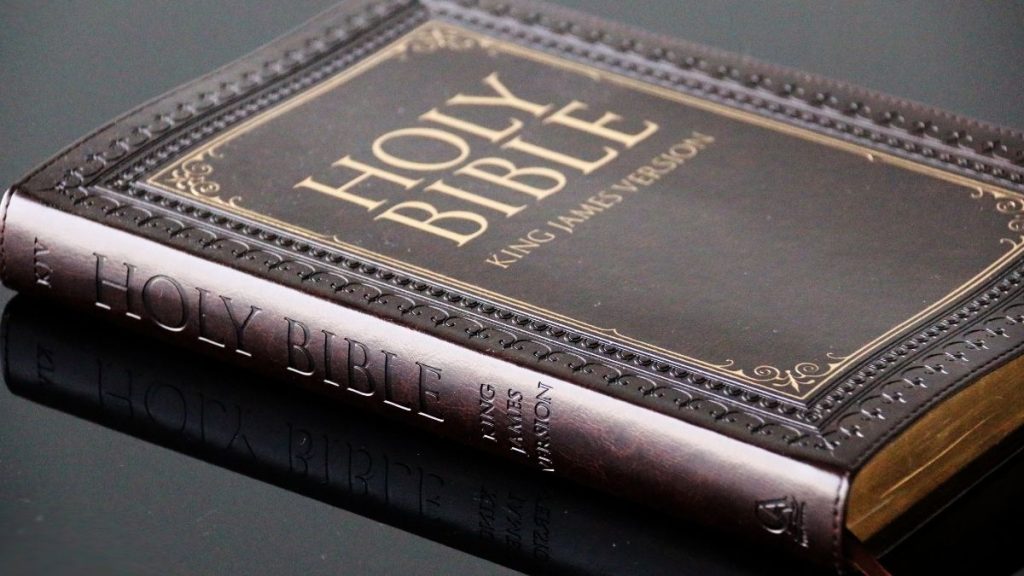
Why people are still drawn to collecting old Bibles
The reasons for seeking out rare and aged scriptures are as varied as the collectors themselves. While some are driven by a deep religious devotion, others are motivated by an appreciation for the history of the English language or the evolution of the printing industry. The development of the Bible in English is, in many ways, the story of the development of the modern world. From the early translations that challenged the status quo to the authorised versions that shaped our linguistic landscape, these books are milestones of human culture.
Beyond the historical and spiritual significance, there is a distinct aesthetic pleasure in owning an old Bible. The materials used in their construction were designed to last for generations. High-quality calfskin, vellum, and heavy rag paper have a tactile quality that modern materials simply cannot replicate. When you see old bibles for sale that have been well-preserved, you can appreciate the immense labour and skill that went into their creation. This craftsmanship is a major draw for those who want to curate a library that reflects a high standard of beauty and durability.
Key factors that determine the value of an antique Bible
When you are exploring the market for these historical treasures, it is important to understand what makes one volume more desirable than another. Value is rarely just about age; it is a combination of several critical factors that collectors scrutinise before making a purchase.
- Historical Significance: Editions that represent a first printing of a particular translation or those associated with significant historical figures or movements tend to command higher prices.
- Condition of the Binding: While some wear is expected, a Bible with its original binding intact is far more valuable than one that has been poorly repaired or rebound in modern materials.
- Completeness: Antique Bibles are often missing their title pages, maps, or illustrations. A complete copy with all its original components is a rare find.
- Provenance: If a book has a documented history of ownership by a notable person or institution, its value increases significantly.
- Illustrations and Artistry: Bibles featuring woodcuts, steel engravings, or hand-painted illuminations are highly sought after for their artistic merit.
Identifying notable versions and editions
As you delve deeper into the world of old bibles for sale, you will encounter specific names and editions that appear frequently in catalogues. Understanding the distinction between these can help you narrow down your search and find a piece that truly resonates with your interests. For instance, the Geneva Bible, first published in the 16th century, was the primary Bible of 16th-century English Protestantism and was the version used by William Shakespeare and the Pilgrims.
Then there is the King James Version, perhaps the most famous translation in history. Early editions from the 17th century are masterpieces of typography and linguistic influence. Later, during the 19th century, the Victorian family Bible became a staple of the British household. These were often massive, ornate volumes meant to be displayed prominently in the home. They frequently included beautiful colour plates and dedicated sections for recording family history, making them popular choices for those interested in genealogy and social history.
How to assess the condition of an old Bible
Before committing to a purchase, it is vital to assess the physical state of the book. Age naturally brings some degradation, but knowing what is acceptable and what is a deal-breaker is key to building a quality collection. You should look closely at the spine, as this is usually the first part of the book to fail. If the boards are detached or the leather is crumbling (a condition known as red rot), the book may require expensive professional restoration.
- Check for Foxing: These are the brown spots often found on old paper caused by oxidation or fungal growth. While common, excessive foxing can detract from the legativity and beauty of the pages.
- Inspect the Hinges: Open the book gently to see if the inner hinges are cracking. Strong hinges are essential for the structural integrity of the volume.
- Look for Marginalia: While some collectors dislike writing in books, others find that historical notes and signatures add character and provenance to the piece.
- Smell the Paper: A musty smell can indicate a history of damp storage, which might lead to mould issues later on.
- Verify the Date: Check the title page or the end of the preface for printing dates, though be aware that some later reprints can be deceptive.
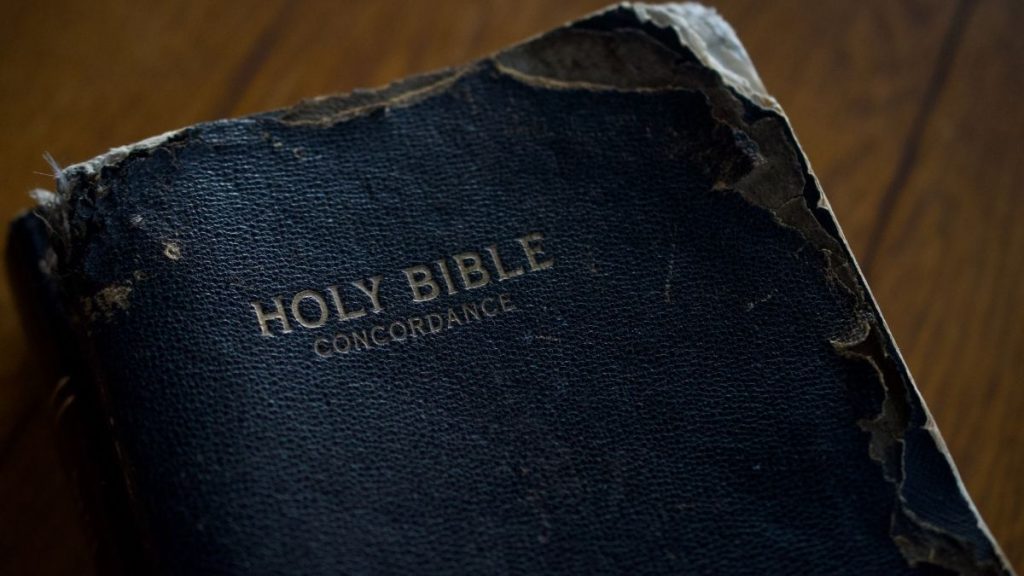
The importance of buying from reputable dealers
Finding old bibles for sale can happen in many places, from local car boot sales to high-end auction houses. However, for those looking for authenticated, high-quality items, specialising in established book dealers is often the safest route. A reputable dealer will have the expertise to accurately date a volume, identify its specific edition, and provide an honest assessment of its condition. They also take the time to properly clean and stabilise the books, ensuring they are ready to be displayed in a new home.
Buying from a specialist also gives you access to their knowledge. They can guide you toward editions that fit your specific interests, whether you are looking for a small pocket Bible carried by a soldier or a grand lectern Bible used in a cathedral. This relationship can be invaluable as you grow your collection, helping you to avoid common pitfalls and ensuring that you are investing in items that will hold their value and historical importance over time.
How to care for your antique Bible at home
Once you have acquired a piece of history, the responsibility shifts to preservation. Old books are sensitive to their environment, and improper storage can lead to rapid deterioration. The goal is to maintain the book in its current state for as long as possible, preventing further damage from light, heat, and humidity. It is best to keep your collection in a room with a stable temperature, away from direct sunlight which can fade leather and make paper brittle.
When handling your Bible, ensure your hands are clean and dry. While some people suggest wearing white cotton gloves, many librarians now recommend simply washing your hands, as gloves can reduce your dexterity and make it more likely that you will accidentally tear a fragile page. If the book is particularly large or heavy, support the covers when opening it to prevent strain on the spine. Using a book cradle or a soft cushion can help distribute the weight evenly and protect the binding from cracking. By taking these simple steps, you ensure that the history contained within those pages survives for another generation to admire.

A cultural writer specializing in music events, Hannah explores festival experiences, artist spotlights, and tips for making the most of music festivals.
